
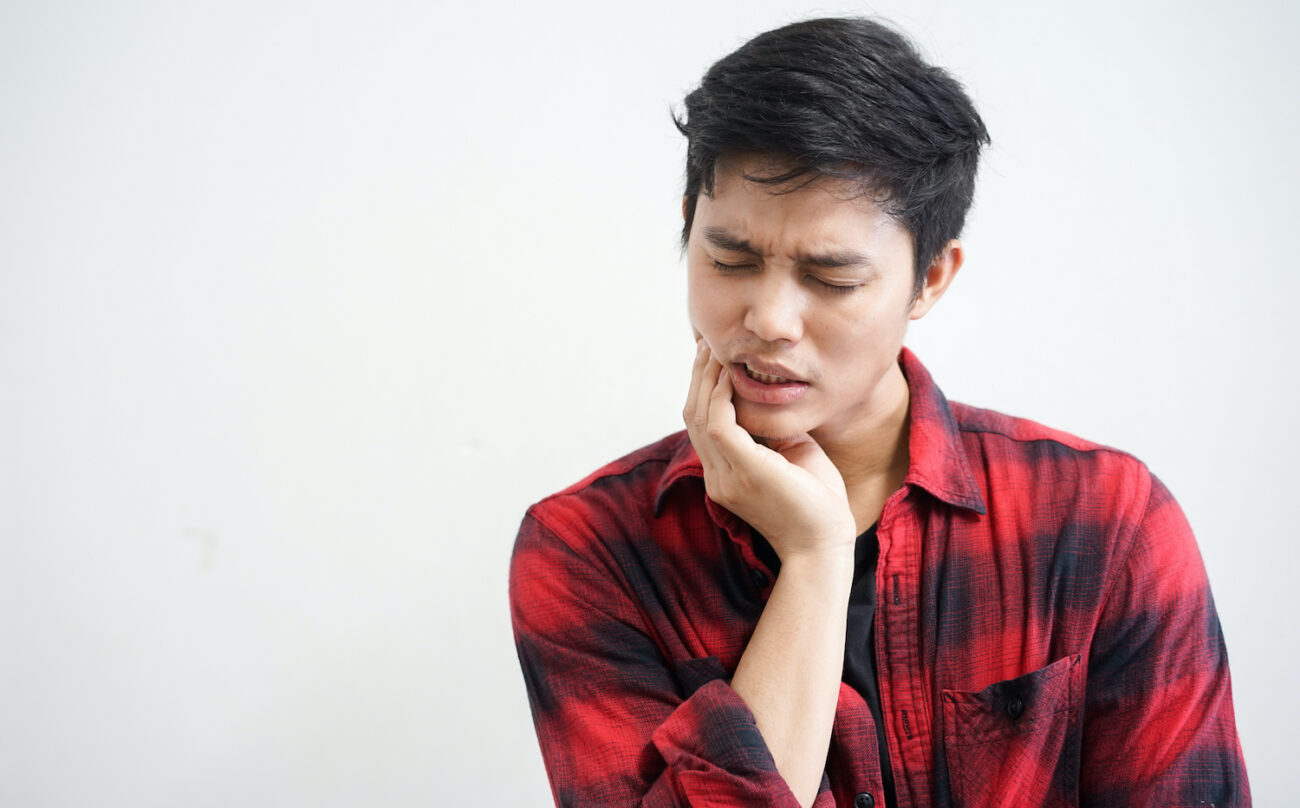
When teeth keep chipping, cracking, or wearing down, there is usually a reason beyond bad luck. The most common causes are clenching and grinding, a bite that does not fit together evenly, and sleep problems that make the jaw work overnight. Fixing each chip as it happens restores the tooth, but unless the cause is addressed, the next chip is often already on its way.
Many patients describe the same pattern: a bonded edge breaks, a filling cracks, a crown chips, and each time the repair feels like a fresh start until it is not. At Gunbarrel Dental Center in Boulder, Dr. Rachel Barone focuses on diagnosis that uncovers the true cause of problems like broken teeth and enamel wear, so the repair has a chance to last.
Why Does Fixing the Chip Not Solve the Problem?
A chip is a result. Something applied more force to that tooth than it could handle. If the same force is still there after the repair, it simply finds the next weak spot, which may be the new restoration, the tooth beside it, or the jaw joint itself.
That is why Dr. Barone asks why before deciding how. The answer shapes everything from which material makes sense to whether the bite needs attention first. It is the same cause-first approach that guides all of our restorative dentistry.
What Are the Most Common Hidden Causes?
Several factors can be at work at once, and they often feed each other. Here is how the main ones compare:
| Cause | What it does to teeth | Clues you might notice | How it is addressed |
|---|---|---|---|
| Clenching and grinding | Repeated heavy force wears and fractures enamel | Sore jaw on waking, flattened edges, a partner hears grinding | Custom night guard, stress and habit changes |
| Uneven bite | Some teeth take more force than others | Chips keep happening on the same teeth | Bite analysis and adjustment |
| Sleep and airway problems | Nighttime clenching as the body fights for air | Snoring, waking tired, morning headaches | Sleep screening, oral sleep appliance when appropriate |
| Medications and health conditions | Can trigger grinding you are not aware of | Grinding that started with a new medication, or reflux (GERD) | Talking with your physician, protecting the teeth |
| Habits | Sudden point loads on edges | Chewing ice, pens, or fingernails | Awareness and replacing the habit |
Everyday habits add up too. Chewing on pens, pencils, fingernails, or ice puts sudden force on the edges of your teeth. Resting your chin on your hand or slouching can strain the jaw over time. None of these may seem like a big deal on its own, but combined with grinding or an uneven bite, they make chips far more likely.
Bruxism often happens without your knowledge, so the first sign may be a chip, a crack, or worn-down edges that a dentist points out.
Why people grind
Stress is one of the biggest causes. Caffeine and alcohol later in the day can increase nighttime grinding, and some medications, including certain antidepressants, are known to cause it. Medical conditions such as gastroesophageal reflux disease (GERD) are linked to it too.
When the jaw joints are involved
Tooth wear, chips, and cracks are also common signs of TMJ disorders. If you have jaw soreness, clicking, or headaches along with broken teeth, Dr. Barone will evaluate the joints as part of your TMJ treatment plan.
Can Your Bite Cause Teeth to Chip?
Yes. Your teeth are meant to meet in a certain way when you bite down. If crowded teeth, missing teeth, or a misaligned jaw leave the bite uneven, a few teeth end up taking more than their share of force. The jaw may also keep shifting to find a comfortable position, which leads to grinding and more wear.
Dr. Barone looks at how your teeth come together, which teeth hit first, and where the wear shows up. When the bite is the problem, a gentle bite adjustment can reshape certain biting surfaces so the force spreads more evenly. In other cases, replacing a missing tooth or straightening crooked teeth helps the bite work as it should.
What Does Sleep Have to Do With Broken Teeth?
People who snore, wake often during the night, or have sleep apnea are more likely to grind their teeth. When breathing stops and starts during sleep, the body can tense up and the jaw can clench. Treating the sleep problem may also reduce the grinding.
Dr. Barone provides sleep apnea screenings and airway exams, and she checks whether your bite is making symptoms worse. For patients with mild to moderate sleep apnea, she can create a custom oral sleep appliance.
What Happens When You Come In About a Chipped Tooth?
The visit starts with the tooth that brought you in, because comfort comes first. Once that is handled, Dr. Barone looks for the pattern behind it. She is trained in Global Diagnosis, an approach centered on finding the true cause of problems like broken teeth, enamel wear, and TMJ discomfort.
That evaluation usually includes:
- A look at where the wear and chips show up, since the location often points to the cause
- Digital X-rays to check for cracks, decay, or problems that cannot be seen with the naked eye
- A check of how your teeth come together and which ones take the most force
- Questions about your sleep, headaches, stress, medications, and habits like chewing ice
You will hear what she finds in plain language, along with options that range from simple protection to more complete repair. Treatment is planned around long-term comfort and function, and the most conservative option that solves the problem comes first.
How Are Chipped Teeth Repaired Once the Cause Is Clear?
Once the source of the damage is understood, the repair can be chosen to hold up to the forces in your mouth. Options include:
- Bonding for small chips on front teeth. Dental bonding uses tooth-colored material shaped directly on the tooth.
- Crowns for teeth with larger fractures or cracks, which cover and protect the whole tooth. See our dental crown page for what to expect.
- Veneers for front teeth with wear or chips that affect the look of your smile.
- A night guard afterward to protect both your natural teeth and your new restorations.
A chip that is sharp, painful, or exposes the inside of the tooth should be seen right away. Our emergency dentistry team can help you get comfortable first and plan the long-term repair after.
Frequently Asked Questions About Chipping Teeth
Is it normal for teeth to chip as you get older?
Some wear builds up over a lifetime, but repeated chips or cracks are not something to accept as normal. They usually point to a force that can be identified and reduced.
Why does my dental work keep breaking?
Fillings, bonding, and crowns face the same forces as natural teeth. If the bite is uneven or you grind at night, restorations can chip or loosen. Addressing the cause helps new dental work last.
Will a night guard stop my teeth from chipping?
A custom night guard creates a barrier between your teeth and relaxes the jaw muscles while you sleep, which protects against grinding damage. It works best alongside care for any bite or sleep problem behind the grinding.
How do I know if I grind my teeth?
Common signs include waking with a sore jaw or headache, flattened or chipped teeth, and a partner hearing grinding at night. Dr. Barone can spot wear patterns during an exam even when you have no symptoms.
Find Out What Is Behind Your Chipped Teeth
If you are tired of repairing the same teeth, it is time to look at why they keep breaking. Schedule a consult with Dr. Barone or call (303) 530-4145. We welcome patients from Boulder, Gunbarrel, Longmont, Niwot, Louisville, Lafayette, Erie, and Superior.